Creating Safer Work Environments through Tailored Dust Extraction
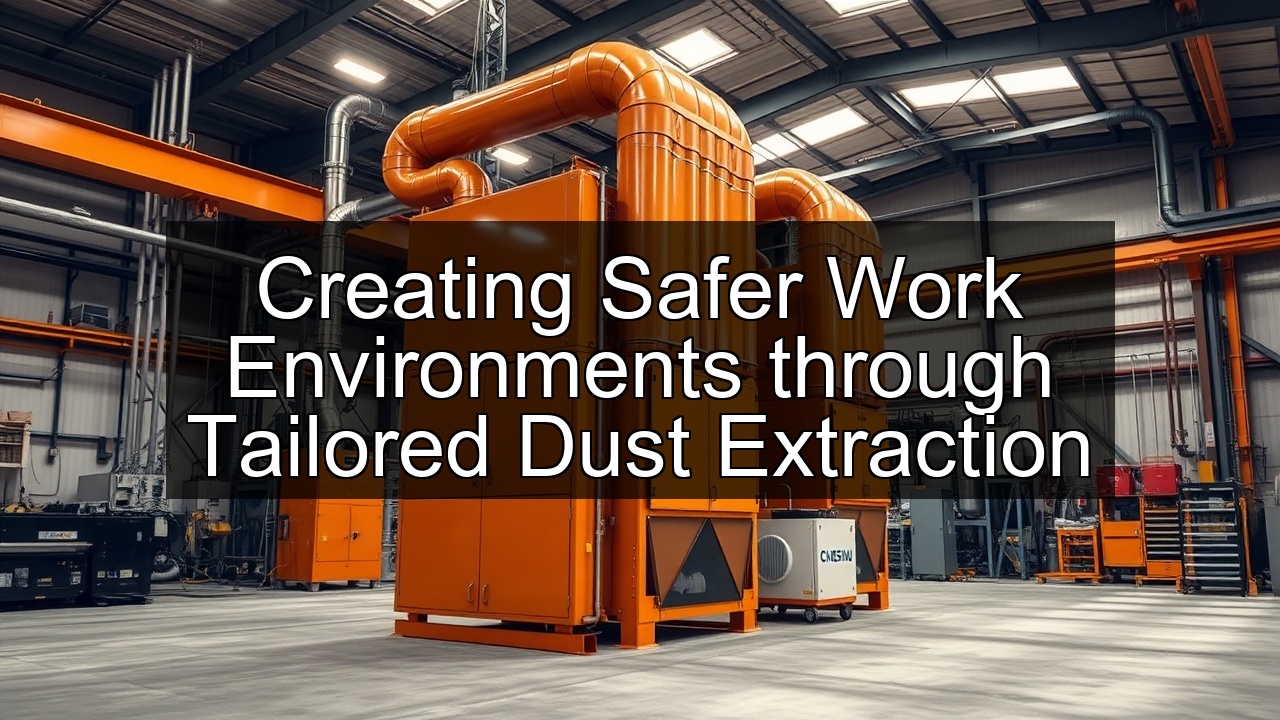
The Importance of Customized Dust Collection Solutions
Understanding Dust Control Needs in Manufacturing
Manufacturing environments generate significant dust and particulates, creating challenges for air quality and worker safety. Understanding these dust control needs is crucial for maintaining a healthy workspace. Factors such as the type of material processed, the volume of dust produced, and the layout of the facility all play a role in determining the best dust management strategy. Manufacturers must assess these variables to implement effective dust collection systems tailored to their specific operations. By targeting the unique dust generation patterns in a facility, companies can ensure that they develop a comprehensive approach that doesn't just address the symptoms of dust but also mitigates its sources.
The Role of Custom Filtration Systems
Custom filtration systems serve as the backbone of effective dust control in manufacturing. These systems are designed to meet the specific requirements of a facility, unlike generic solutions that may fail to capture all types of particulates. A well-engineered filtration system optimizes airflow while efficiently removing dust particles, enhancing overall air quality. The selection between a cyclone dust collector and a cartridge system can significantly affect the efficiency of dust extraction. Cyclone systems are ideal for larger particles, while cartridge filters excel with fine dust. Custom filtration not only improves air quality but also prolongs equipment life by preventing dust-related wear and tear.
Benefits of Tailored Dust Collectors for Air Quality
Investing in tailored dust collectors presents numerous benefits, particularly regarding air quality and worker safety. Custom systems can dramatically reduce airborne dust levels, leading to a healthier work environment. Cleaner air contributes to increased worker morale and productivity, reducing absenteeism due to health issues. Moreover, maintaining high air quality can minimize the risk of equipment malfunction and the need for costly repairs. Custom dust collectors also enhance compliance with OSHA standards, ensuring that manufacturers meet or exceed regulatory requirements. The long-term benefits include lower operation and maintenance costs and a significant reduction in the risk of dust explosions and fires, which can have devastating effects on both personnel and equipment.
Key Components of Custom Dust Collection Systems
Types of Dust Collectors: Cyclone vs. Cartridge
Understanding the different types of dust collectors is essential for designing an effective dust collection system. Cyclone dust collectors utilize centrifugal force to separate larger particles from the air, making them ideal for coarse dust and heavy debris. They operate efficiently, requiring minimal maintenance while effectively managing larger volumes of material. On the other hand, cartridge dust collectors feature highly efficient filter media that capture fine particulates. These systems are perfect for applications where small dust particles pose a significant risk to air quality. The choice between cyclone and cartridge systems hinges on the specific dust characteristics of a manufacturing environment, underscoring the importance of tailored solutions for effective dust control.
Ventilation and Duct Work in Custom Systems
Proper ventilation and duct work are critical components in custom dust collection systems. Effective duct design ensures that dust is extracted at its source, reducing the likelihood of accumulation in the workspace. Engineers must carefully consider the layout of ducts to minimize bends and turns, which can hinder airflow and reduce efficiency. Additionally, the size of ducts plays a significant role in maintaining sufficient air velocity to transport dust particles effectively. Manufacturers can optimize their dust control systems by integrating advanced duct work that accommodates the specific operational needs of their facility. This attention to detail ensures that every part of the dust collection system works harmoniously to maintain clean air and enhance overall safety.
Advanced Filtration Technologies for Effective Dust Extraction
Advanced filtration technologies have revolutionized dust extraction systems, providing solutions that are more efficient and environmentally friendly. Innovative materials and designs in filter cartridges enhance the capture of ultra-fine dust particles, significantly improving air quality. HEPA filters, for instance, can trap 99.97% of particles larger than 0.3 microns, making them ideal for industries with strict air quality regulations. Furthermore, many modern dust collectors incorporate real-time monitoring systems, allowing manufacturers to track performance and optimize filter changes. This level of automation not only streamlines operations but also reduces maintenance costs, making advanced filtration technologies a smart investment for manufacturers seeking to improve their dust control measures.
Ensuring Compliance and Worker Safety
OSHA Standards and Custom Dust Collector Compliance
Compliance with OSHA standards is a non-negotiable aspect of maintaining a safe working environment. Custom dust collectors must be designed and operated in accordance with these regulations to protect workers from the harmful effects of dust exposure. This involves assessing the specific dust hazards present in a manufacturing facility and ensuring that the dust collection system is capable of managing those risks effectively. Manufacturers should regularly review their dust control measures, adapting their systems to meet changing regulations and operational needs. By prioritizing compliance, companies not only safeguard their workforce but also protect themselves from potential legal ramifications and financial penalties.
Quality Control Measures in Dust Collection Systems
Quality control measures play a pivotal role in the effectiveness of dust collection systems. Regular inspections and maintenance ensure that custom dust collectors operate efficiently, capturing dust as intended. Manufacturers should implement a routine maintenance schedule that includes checking filters, inspecting duct work, and assessing the overall system performance. Additionally, adopting quality control protocols allows for early detection of potential issues, minimizing downtime and ensuring optimal operation. By investing in quality control, manufacturers can enhance the longevity of their dust collectors while maintaining a consistent level of air quality, which is essential for both compliance and worker safety.
The Impact of Dust Management on Productivity
Effective dust management directly influences productivity in manufacturing environments. Poor air quality can lead to decreased worker efficiency, increased absenteeism, and higher turnover rates. By implementing tailored dust collection systems, companies can create a healthier atmosphere that promotes focus and performance. Clean air not only enhances the well-being of employees but also reduces the risk of equipment malfunction due to dust accumulation. This, in turn, leads to lower operational costs and fewer disruptions in production. Ultimately, investing in a robust dust management system is a strategic move that pays dividends in both productivity and workforce satisfaction.
Future Trends in Dust Extraction Technology
Energy-Saving Innovations in Dust Collection
Energy-saving innovations are shaping the future of dust collection technology. Manufacturers increasingly prioritize sustainability and energy efficiency in their operations. Newer dust collection systems are designed to minimize energy consumption while maximizing performance. For example, variable speed drives allow dust collectors to operate at different speeds based on the actual dust load, reducing energy waste. Additionally, advancements in filter design improve airflow efficiency, further decreasing energy requirements. By adopting these energy-saving technologies, manufacturers can significantly lower their operational costs while contributing to a more sustainable future.
Automation in Dust Control Systems
Automation represents a significant trend in modern dust control systems. The integration of smart technology allows for real-time monitoring and adjustment of dust collectors, optimizing performance based on current conditions. Automated systems can detect dust levels, adjust airflow, and notify operators of maintenance needs, reducing the burden on personnel. This shift towards automation enhances operational efficiency and ensures consistent air quality. Manufacturers who embrace automation not only streamline their dust management processes but also position themselves as industry leaders in technology and innovation.
The Role of Millwrights in Custom Dust Systems
Millwrights play a crucial role in the installation and maintenance of custom dust collection systems. Their expertise ensures that these systems operate at peak efficiency, aligning with the specific needs of the manufacturing process. Millwrights are responsible for the precise alignment of duct work, the calibration of filtration systems, and the overall integration of dust control measures within the facility. Their hands-on skills and technical knowledge are indispensable for achieving optimal performance and compliance with safety standards. By collaborating closely with engineers and manufacturers, millwrights help create tailored dust collection solutions that enhance air quality and worker safety.
See Also
- The Importance of Custom Dust Extraction for Worker Safety and Health
- From Concept to Reality: Designing Effective Dust Collection Solutions
- Maximize Your Space with Customized Dust Collection Systems
- Navigating the Challenges of Dust Control with Custom Solutions
- Unleashing the Power of Cyclone Dust Collectors for Efficient Dust Management