Maximizing Efficiency with Ceramic Weld Backing in TIG Welding
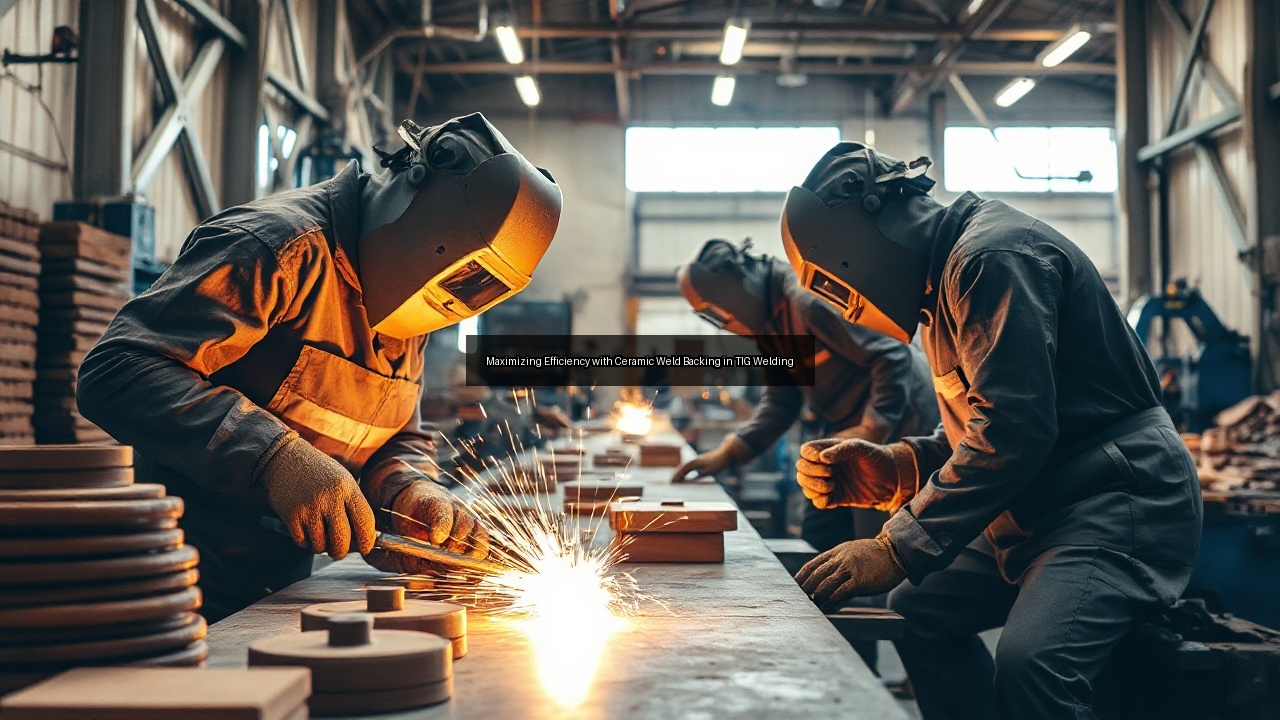
Understanding Ceramic Weld Backing in TIG Welding
What is Ceramic Weld Backing?
Ceramic weld backing serves as a crucial component in the TIG welding process, providing support to the weld pool while effectively managing heat. This specialized backing consists of ceramic materials, which are known for their high melting points and thermal resistance. Unlike traditional methods, ceramic weld backing allows for better penetration and fusion by retaining heat at the weld joint. This leads to a more controlled and stable environment during the welding process, essential for achieving high-quality welds. By using ceramic backing, welders can significantly enhance the overall efficiency of their welding operations.
Importance of Weld Backing in TIG Processes
The significance of weld backing in TIG welding cannot be overstated. It plays a vital role in controlling the weld pool's shape and stability, resulting in a cleaner, more precise weld. Weld backing prevents excessive burn-through in thin materials, which is particularly beneficial when working with metals like aluminum and stainless steel. Moreover, it reduces the risk of defects such as undercutting or excessive spatter, which can compromise the integrity of the weld. By utilizing ceramic weld backing, welders ensure that the finished product meets stringent quality standards, leading to stronger and more reliable joints.
Materials Used in Ceramic Weld Backing
Ceramic weld backing typically incorporates a variety of materials designed for optimal performance. Commonly used ceramics include alumina and zirconia, both known for their heat resistance and durability. These materials can withstand the intense temperatures generated during the welding process without degrading. Additionally, some ceramic backings may integrate clay or other composite materials to enhance their structural integrity. The choice of ceramic material often depends on the specific welding application, with factors like metal type, thickness, and desired weld characteristics guiding the selection process. Understanding these materials enables welders to choose the best ceramic backing for their projects.
Benefits of Using Ceramic Weld Backing
Enhanced Weld Quality and Appearance
Implementing ceramic weld backing significantly elevates the quality and appearance of welds. The presence of a ceramic backing stabilizes the weld pool, promoting uniform bead formation. This uniformity not only improves aesthetics but also ensures a consistent penetration across the joint. Welds made with ceramic backing exhibit smoother surfaces and finer finishes, reducing the need for extensive post-weld cleaning or grinding. Additionally, the controlled heat distribution provided by ceramics helps prevent warping or distortion in the base metals, maintaining their original shapes. As a result, welders can achieve visually appealing welds that meet both structural and aesthetic requirements.
Reduction of Defects in Welds
Welding defects pose significant challenges in the fabrication industry, leading to costly rework and quality issues. Ceramic weld backing effectively mitigates these problems by providing a stable surface that supports the weld pool. It reduces the likelihood of common defects such as porosity, undercutting, and lack of fusion. The thermal insulation properties of ceramics also help control the cooling rate of the weld, preventing the formation of brittle microstructures that can compromise joint strength. By minimizing defects, ceramic weld backing not only enhances the quality of individual welds but also contributes to the overall reliability of welded structures.
Improved Heat Management During Welding
Effective heat management is a cornerstone of successful welding operations. Ceramic weld backing excels in this area by retaining and distributing heat efficiently. This characteristic allows for optimal fusion of the welding rod and base metal without overheating adjacent areas. The controlled heat also minimizes the risk of thermal stress, which can lead to cracks or warping in the metal. With proper heat management, welders can achieve deeper penetration and stronger bonds, particularly in challenging materials. By choosing ceramic weld backing, welding professionals can significantly enhance their heat control strategies, leading to improved welding outcomes.
Applications and Best Practices for Ceramic Weld Backing
Choosing the Right Ceramic Material for Your Project
Selecting the appropriate ceramic material for weld backing is essential for achieving desired results. Factors such as the type of metal being welded, thickness, and the specific welding process influence this choice. For instance, alumina-based ceramics work well for general-purpose welding, while zirconia ceramics provide superior performance for high-temperature applications. Understanding the thermal characteristics of various ceramics allows welders to tailor their backing materials to specific project requirements. Additionally, consulting with manufacturers or industry experts can provide insights into the best ceramic solutions available, ensuring optimal performance in every welding scenario.
Integrating Ceramic Backing with Welding Techniques
Successfully integrating ceramic weld backing with various welding techniques requires skill and knowledge. When using TIG welding, placing the ceramic backing strip or tile along the weld seam provides the necessary support and stability. Proper alignment is crucial to ensure that the weld pool remains focused and controlled. Additionally, welders should adjust their settings, such as gas flow rates and amperage, to accommodate the use of ceramic backing. Adopting these best practices ensures that the benefits of ceramic backing are fully realized, resulting in higher quality welds and reduced defects.
Using Ceramic Tiles and Foil in Weld Backing
Ceramic tiles and foil present versatile options for weld backing, each offering unique advantages. Ceramic tiles provide robust support and can be easily cut to fit various joint configurations, making them ideal for complex welding projects. On the other hand, ceramic foil can conform to irregular surfaces, providing a seamless backing that enhances heat retention. These options allow welders to customize their approach based on the project's specific requirements. When utilizing tiles or foil, proper application techniques are essential for maximizing their effectiveness. Ensuring a good fit and secure placement prevents movement during the welding process, contributing to improved weld quality.
Leading Brands and Innovations in Ceramic Weld Backing
ESAB's Ceramic Solutions for Weld Backing
ESAB, a leader in welding equipment, offers innovative ceramic solutions tailored to enhance weld quality. Their ceramic backing products are designed for versatility, catering to various welding applications. ESAB's commitment to research and development has led to advanced ceramic materials that provide superior heat management and reduced defects. These products not only assist welders in achieving high-quality results but also streamline the welding process, making them a preferred choice among professionals. By leveraging ESAB's ceramic weld backing, welders can enhance their capabilities and improve the overall efficiency of their operations.
Gullco International's Approach to Efficient Welding
Gullco International stands out for its innovative approach to welding solutions, including advanced ceramic weld backing options. Their products focus on enhancing operational efficiency and improving the quality of welds. Gullco's ceramic backing materials integrate seamlessly with their welding automation systems, offering a comprehensive solution for high-volume production environments. By employing Gullco's ceramic solutions, welders can achieve consistent results and optimize their workflow, reducing downtime and maximizing productivity. This synergy between ceramic backing and automation technology positions Gullco as a key player in the welding industry.
Future Trends in Ceramic Weld Technologies
The future of ceramic weld backing technology promises exciting advancements that will further enhance welding processes. Ongoing research into new ceramic materials aims to improve heat resistance and durability, leading to even more efficient weld backing solutions. Innovations in smart materials and coatings may also revolutionize how ceramic backings are used, allowing for real-time monitoring of temperature and weld quality. As industries increasingly prioritize sustainability, eco-friendly ceramic materials may emerge, aligning with global efforts to reduce environmental impact. Staying informed about these trends will position welders and manufacturers to take advantage of the latest developments in ceramic weld backing technology.