Machining Centers That Elevate Your Plastic Component Production
Understanding the Role of CNC Machining in Plastic Production
The Basics of CNC Machining for Plastics
CNC machining revolutionizes plastic production by providing high precision and repeatability in the manufacturing process. This technology utilizes computer-controlled machines to cut, mill, and shape plastic materials into desired forms. Unlike traditional machining methods, which often require manual intervention, CNC machining automates the entire process, minimizing human error and maximizing efficiency. The ability to program complex geometries into the CNC mill allows manufacturers to produce intricate designs that are critical in industries like aerospace, automotive, and medical devices. With the rise of advanced CNC machining centers, it’s now possible to work with a variety of engineering plastics, enabling the creation of custom parts that meet stringent specifications.
Benefits of CNC Machining for Custom Plastic Parts
CNC machining offers numerous advantages when it comes to producing custom plastic parts. First, the precision and accuracy of CNC machines ensure that each component meets exact specifications, which is crucial for applications requiring tight tolerances. Additionally, CNC machining reduces waste. By optimizing the cutting paths and utilizing advanced tooling, manufacturers can achieve higher material utilization rates. This efficiency translates to cost savings for businesses. Moreover, CNC machining facilitates rapid prototyping, allowing engineers to quickly iterate designs and bring products to market faster. These benefits make CNC machining a preferred method for creating high-performance plastic components tailored to specific needs.
Key Materials: ULTEM, Acetal, and PTFE in CNC Machining
When selecting materials for CNC plastic machining, ULTEM, Acetal, and PTFE stand out for their exceptional properties. ULTEM, known for its high thermal resistance and mechanical strength, is ideal for aerospace and medical applications. Its ability to withstand harsh environments while maintaining performance makes it a popular choice among manufacturers. Acetal, another versatile engineering plastic, offers excellent dimensional stability and low friction, making it suitable for precision components that require tight tolerances. PTFE, widely recognized for its non-stick properties and chemical resistance, is particularly useful in applications involving corrosive substances. By leveraging these advanced polymers, CNC plastic machining manufacturers can deliver custom parts that excel in performance and durability.
Innovative Machining Centers for Enhanced Efficiency
Overview of Advanced CNC Machining Centers
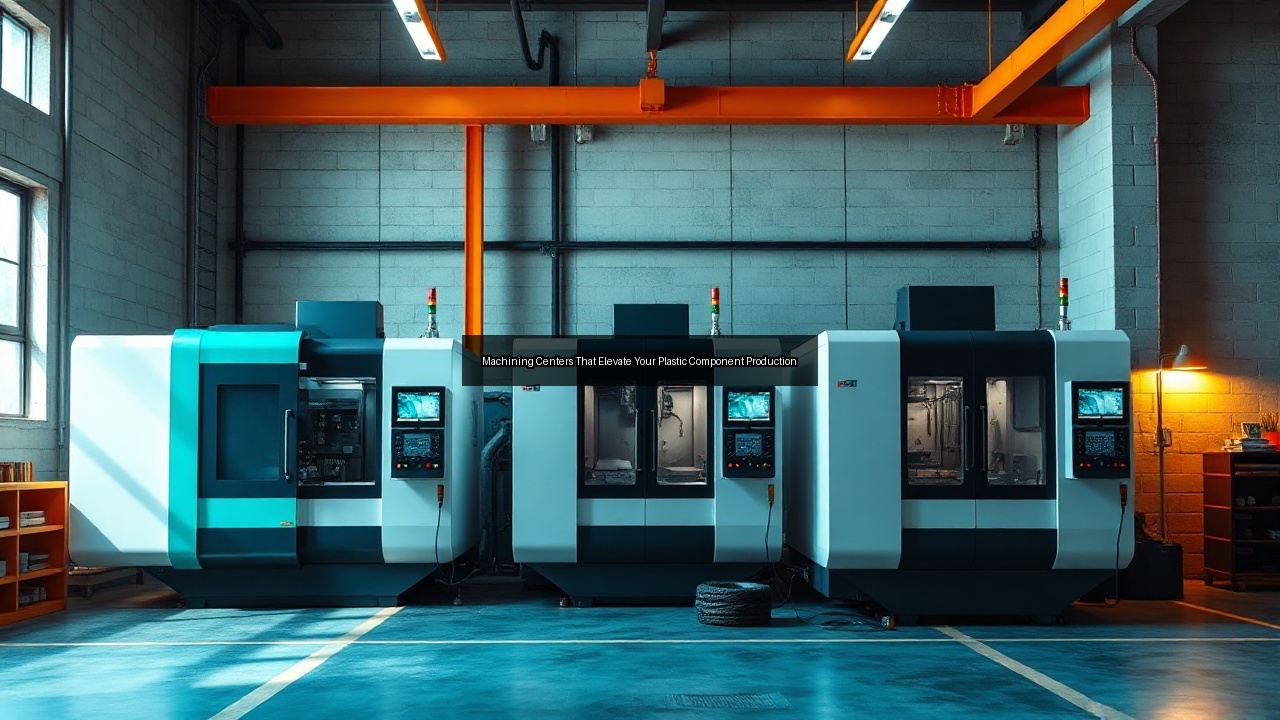
Modern CNC machining centers incorporate innovations that significantly enhance production efficiency. These advanced machines feature multi-axis capabilities, allowing for complex geometries to be machined in a single setup. This reduces the need for multiple machines and setups, streamlining the manufacturing process. Furthermore, many new CNC machining centers utilize automation technologies, such as robotic arms for loading and unloading materials, which minimizes downtime and increases throughput. The integration of advanced software for simulation and toolpath optimization ensures that machining processes run smoothly, saving time and reducing costs. As industries demand greater efficiency and flexibility, investing in innovative machining centers becomes essential for staying competitive.
Routing and Milling Techniques for Precision Fabrication
Routing and milling techniques play a crucial role in the precision fabrication of plastic components. CNC routers excel in cutting large sheets of plastic into specific shapes, making them ideal for flat parts or enclosures. Their ability to perform intricate cuts with high accuracy allows for the creation of complex designs with ease. On the other hand, CNC milling machines provide enhanced capabilities for creating 3D features, such as pockets, contours, and holes. Utilizing various tooling options, manufacturers can achieve different finishes and tolerances, further enhancing the quality of the final product. The combination of routing and milling techniques enables manufacturers to fabricate custom plastic parts that not only meet functional requirements but also offer aesthetic appeal.
Case Studies: Successful Implementation of Machining Centers
Numerous companies have successfully implemented CNC machining centers to elevate their plastic component production capabilities. For instance, an American automotive parts manufacturer faced challenges in producing lightweight components that met stringent safety standards. By investing in a state-of-the-art CNC machining center, the company improved its production speed and reduced material waste. Another example includes a medical device company that required precision components made from advanced polymers. The integration of multi-axis machining allowed them to produce complex geometries while maintaining tight tolerances, ultimately enhancing product reliability. These case studies illustrate how adopting innovative machining centers can lead to significant improvements in efficiency and output quality.
Specialists in High-Performance Plastic Components
Working with an Experienced Plastic Machining Partner
Collaborating with an experienced plastic machining partner can significantly impact the success of your project. These specialists bring invaluable knowledge of materials, machining techniques, and industry standards. They understand the intricacies of working with engineering plastics, ensuring that your custom parts are machined to the highest quality. An experienced partner will also provide insights during the design phase, helping to identify potential challenges and optimize designs for manufacturability. This level of expertise reduces the likelihood of costly mistakes and delays, allowing for a smoother production process. Choosing the right CNC plastic machining manufacturer means gaining a partner dedicated to delivering high-performance components tailored to your specifications.
Machining Complex Nonmetallic Parts with Precision
Machining complex nonmetallic parts presents unique challenges that require sophisticated techniques and advanced machinery. CNC machining excels in producing intricate designs that would be difficult to achieve with traditional methods. The ability to program detailed specifications into the CNC mill allows for consistent production of complex geometries. Additionally, skilled machinists understand how to work with various materials, including challenging machinable plastics, to achieve desired results. They can adjust machining parameters to accommodate material properties, ensuring precision components that meet or exceed performance expectations. For industries relying on high-performance plastic components, finding experts in this field is essential for success.
Challenges in Machining Challenging Machinable Plastics
Machining challenging machinable plastics often involves navigating a series of obstacles. Materials like PEEK, Acetal, and PTFE, while offering excellent performance characteristics, can present difficulties during the machining process. For instance, PEEK’s toughness requires specialized tooling and machining strategies to achieve desired tolerances without damaging the material. Similarly, PTFE’s low friction can lead to challenges in chip removal and tool wear. Understanding these challenges is crucial for manufacturers aiming to produce high-quality components. Experienced machinists develop strategies to overcome these obstacles, ensuring that production runs smoothly and that the final products meet stringent quality standards. Addressing these challenges head-on fosters innovation and continuous improvement in CNC plastic machining.
Elevating Production with CNC Machining Technologies
Turning PEEK and Teflon into Custom Components
Turning advanced materials like PEEK and Teflon into custom components showcases the capabilities of modern CNC machining technologies. PEEK, known for its strength and thermal stability, serves various applications, from aerospace to medical devices. CNC machining enables the creation of precise components that withstand extreme conditions. Teflon, with its exceptional chemical resistance and low friction properties, requires specialized techniques to ensure optimal performance. Machinists often employ tailored cutting speeds and tools to achieve the best results. By leveraging CNC technologies, manufacturers can produce custom parts that not only perform well but also comply with industry regulations and standards, making them indispensable in high-performance applications.
The Future of CNC Milling in Plastic Fabrication
The future of CNC milling in plastic fabrication looks promising as technology continues to advance. Innovations in machine design and software development are driving enhanced capabilities and efficiency. Emerging trends like additive manufacturing integration and artificial intelligence may further streamline processes, allowing for even greater customization and speed. As industries demand more complex and precise components, CNC milling will play a pivotal role in meeting these needs. Manufacturers that invest in the latest technologies and training will position themselves as leaders in high-performance plastic component production, ready to tackle the challenges of tomorrow’s market.
Choosing the Right CNC Plastic Machining Manufacturer
Selecting the right CNC plastic machining manufacturer is critical for ensuring the success of your project. Look for a partner with a proven track record in producing high-performance plastic components. Evaluate their experience with challenging materials and complex geometries to ensure they can meet your specific needs. Additionally, consider their quality control processes and certifications, as these factors significantly impact the reliability of your custom parts. Communication and collaboration are key; a strong partnership will facilitate the sharing of ideas and lead to innovative solutions. By choosing wisely, you position your business for success in the competitive landscape of plastic fabrication.